


E-Invoicing is a significant step in Malaysia’s transition to a more digital and transparent tax system. E-Invoice, an initiative led by Lembaga Hasil Dalam Negeri Malaysia (LHDN), will modernize how businesses issue, submit, and manage invoices. To remain compliant and get the full benefits of this shift, businesses need to know what e-invoicing is, why it is required, and when it will be implemented.
What is e-Invoice?
An e-Invoice, or electronic invoice, is a digitally generated document that contains all the essential invoicing information—buyer, seller, transaction value, tax details, etc.—in a machine-readable format. Unlike a PDF or scanned image, an e-Invoice is structured and automatically validated through LHDN’s official MyInvois portal.
The e-Invoice serves the same purpose as a traditional paper or PDF invoice, but with enhanced automation, accuracy, and tax oversight.
Key Features:
- Issued, submitted, and stored digitally
- Supports real-time validation by LHDN
- Eliminates the need for manual invoice submissions
- Covers B2B, B2C, and B2G transactions
- Reduces invoicing errors and tax risks
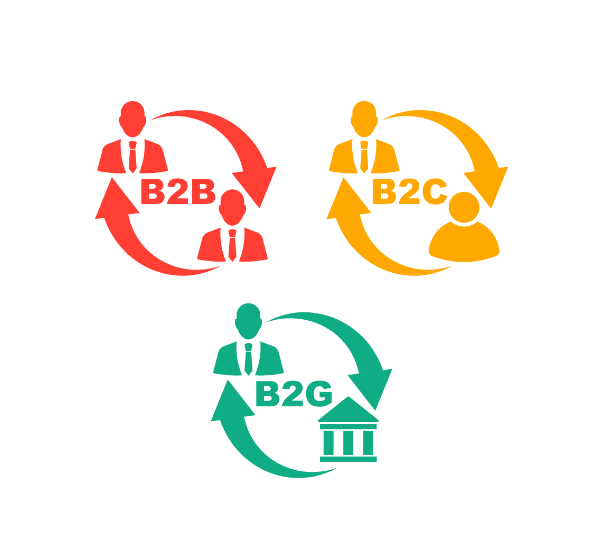
Supported Transaction Types:
- Business-to-Business (B2B)
- Business-to-Consumer (B2C)
- Business-to-Government (B2G)
- Self-billed transactions
- Imports and exports
This comprehensive system ensures that every business transaction is traceable and compliant with the government’s tax regulations.
Why is an e-Invoice Needed?
The implementation of e-Invoicing addresses multiple concerns: manual inefficiencies, tax leakages, and inaccurate record-keeping. The new system promises to enhance both tax administration and business operations.
Key Benefits of e-Invoicing:
- Reduces manual data entry and human error
- Accelerates invoice processing time
- Improves accuracy in tax declarations
- Simplifies audit trails
- Reduces potential for invoice fraud
- Encourages data transparency
- Automates compliance with tax regulations
- Improves overall cash flow management
Additionally, businesses will no longer need to worry about lost invoices or mismatched records. Every validated invoice will have a unique Invoice Reference Number (IRN) and will be stored securely within the LHDN system.
How Does the MyInvois Portal Work?
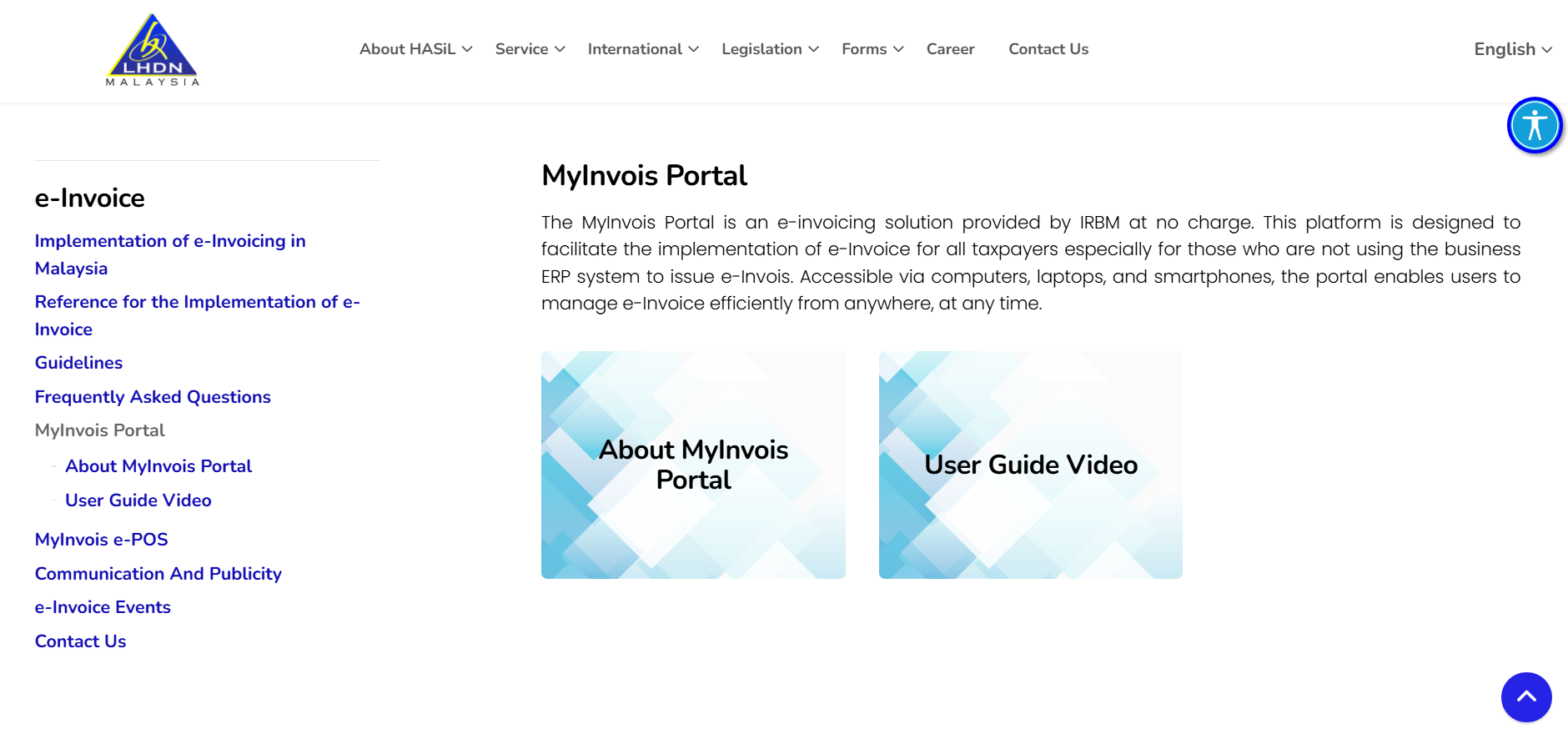
The MyInvois portal, developed and managed by LHDN, is the central platform for submitting and managing e-Invoices in Malaysia.
Key Functions of the MyInvois Portal:
- Issuing and Receiving e-Invoices: Businesses can issue and receive e-Invoices through the portal, making the invoicing process fully digital.
- Real-Time Validation: As invoices are submitted, the MyInvois system validates the information in real time, automatically rejecting invoices that contain errors or inconsistencies.
- Generating and Tracking IRNs: Every valid invoice is assigned a unique Invoice Reference Number (IRN), which helps businesses track and manage their invoices efficiently.
- Integration with Accounting and ERP Systems: The MyInvois portal can be integrated with your accounting or Enterprise Resource Planning (ERP) systems, reducing the need for manual data entry and making the process even more efficient.
- Batch Upload Support: For businesses with high volumes of invoices, the MyInvois portal allows batch uploads, simplifying the process for larger organizations.
If you’re running a small business or a multinational corporation (MNC), the MyInvois portal will become your primary tool for managing invoicing compliance with LHDN. It is crucial for businesses of all sizes to familiarize themselves with the portal and start using it well ahead of the implementation deadline.
When Will e-Invoice Be Implemented in Malaysia?
The e-Invoice system will be implemented in phases, with mandatory compliance based on your business’s annual turnover or revenue.
Here’s the official e-Invoice implementation schedule (last updated on 21 February 2025):
| Effective Date | Applicable Businesses |
| 1 August 2024 | Turnover ≥ RM100 million |
| 1 January 2025 | Turnover between RM25 million to RM100 million |
| 1 July 2025 | Turnover between RM500,000 to RM25 million |
| 1 January 2026 | Turnover ≤ RM500,000 |
If you’re unsure of your turnover classification, refer to your latest audited financial statements or consult with your tax advisor to determine which phase you fall under.
What Information Is Required on an e-Invoice?
To comply with the MyInvois standard, each e-Invoice must include the following details:
Seller and Buyer Information:
- Name and tax identification number
- Business registration number
- Address and contact details
Invoice Content:
- Invoice date and number
- Description of goods or services
- Quantity and unit price
- Total amount and tax breakdown
- Discounts or adjustments
- Payment terms and methods
All this information must be submitted in a structured format via Excel template, API, or through integrated accounting software.
Preparing Your Business for e-Invoice Compliance
The deadline for implementing e-Invoicing may seem far off, but early preparation will make the transition much smoother. Switching from traditional invoicing to e-Invoicing may present some challenges, but the long-term operational benefits are substantial. The key to a successful transition is preparation.
Preparation Checklist:
- Identify Your Turnover Bracket: Understanding which implementation phase applies to your business will help you plan ahead.
- Register on the MyInvois Portal: Make sure you are registered and familiar with the portal before the deadline.
- Ensure Your Invoicing Software Supports e-Invoice Formats: If you use accounting or invoicing software, confirm that it supports e-Invoice submission to the MyInvois portal.
- Download the LHDN e-Invoice Excel Template: If your business processes a high volume of invoices, the batch upload feature will be essential.
- Train Your Team: Ensure your finance and accounting team is well-trained in the new invoicing requirements and system functions.
- Implement Internal Processes for Validation: Develop internal processes to manage invoice validation and ensure that all invoices meet MyInvois standards.
- Consult with Your Tax Advisor: Work closely with your tax advisor to ensure you’re following the correct procedures and avoid penalties.
Additionally, businesses are encouraged to test the sandbox environment provided by LHDN. This will allow you to become familiar with the portal and ensure that your invoices are correctly formatted before going live.
Commonly Asked Questions About e-Invoice in Malaysia
1. Is e-Invoicing mandatory in Malaysia?
Yes. The e-Invoicing rollout will be mandatory for all businesses by 25 July 2025, according to turnover brackets.
2. Can I still use PDF invoices?
No. PDF invoices do not meet e-Invoice standards. Only invoices submitted through the MyInvois portal with structured data are considered valid.
3. Is integration with accounting software required?
Not strictly, but it is highly recommended to reduce manual errors and streamline the validation process.
4. What happens if I don’t comply?
Failure to comply may result in:
- Rejected invoices
- Disruptions to your cash flow
- Tax audits
- Financial penalties
5. Where can I get help or updates?
Regular updates are provided via LHDN’s official website and MyInvois portal. You may also reach out to LHDN’s support desk for technical assistance.
e-Invoicing and Malaysia’s Digital Economy Vision
Malaysia’s National Digital Economy Blueprint (MyDIGITAL) aims to transform the country into a digitally-driven, high-income nation. e-Invoicing plays a key role in this mission by:
- Encouraging digitization of SMEs
- Promoting data-driven governance
- Reducing the shadow economy
- Strengthening fiscal policy frameworks
Participation in the e-Invoice system for businesses is part of a nationwide movement towards sustainable and smart growth.
Start Now for a Smoother Transition
The adoption of e-Invoicing in Malaysia is not just a regulatory shift—it’s a major upgrade to the way businesses handle invoicing, tax, and reporting. Preparing early, integrating the right tools, and training your team will help you avoid costly disruptions and take advantage of the benefits.
If you’re a startup, SME, or enterprise, this is your chance to digitize your invoicing workflows and join Malaysia’s march toward a modern tax system.
Don’t wait until the last minute—begin your e-Invoicing journey today.