


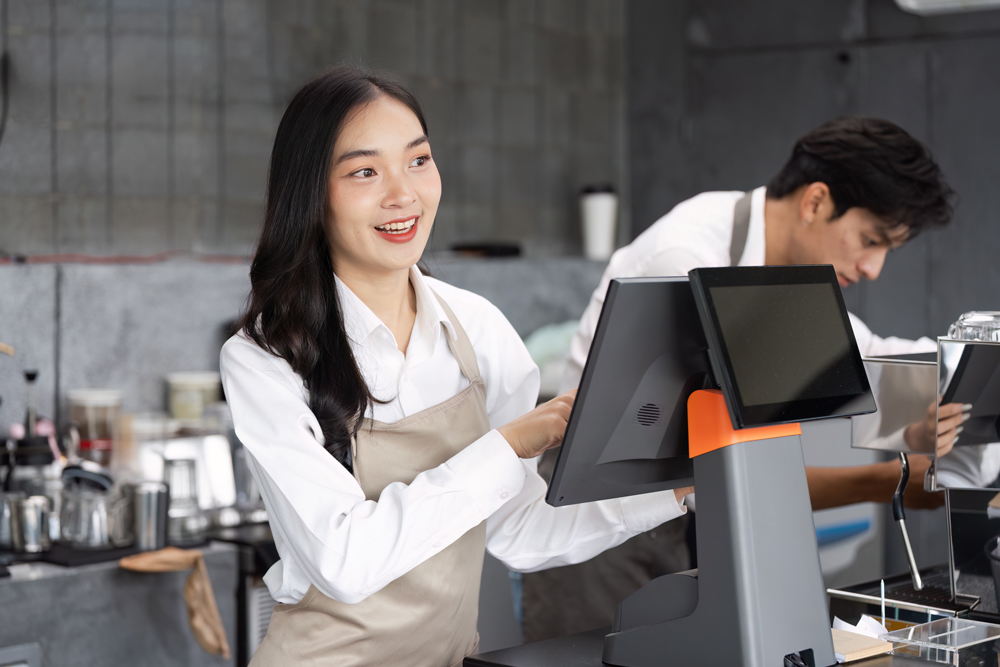
With Malaysia’s e-Invoice rollout approaching, F&B businesses must start preparing for digital compliance. While some may still rely on manual invoicing or cash registers, switching to an F&B POS system brings significant advantages, not just for e-Invoice, but for daily operations too.
Here’s why using an F&B POS system is a smarter, future-ready choice compared to manual processing:
Why Manual Methods Fall Short in the Long Run
While traditional invoicing methods such as handwritten receipts, spreadsheet tracking, or basic cash registers may still function for some F&B setups, they pose increasing challenges in a digital-first environment:
- Higher likelihood of human error, from pricing mistakes to lost receipts
- Time-consuming reconciliation, especially during peak hours or monthly closings
- Limited scalability, which hinders business expansion and outlet consistency
- Lack of integration, making it difficult to connect with delivery apps, accounting tools, or tax platforms
As the e-Invoicing mandate becomes a nationwide standard, businesses sticking to manual processes risk falling behind. Not only will compliance become harder, but growth opportunities may be stifled by outdated systems that can’t keep up with customer expectations or reporting requirements.
Why F&B Businesses in Malaysia Must Ditch Manual Invoicing and Go Digital with a POS System
Malaysia’s e-Invoice mandate is a nationwide directive rolling out in phases until 2027. If you’re still relying on handwritten receipts, cash registers, or basic spreadsheets, you’re already falling behind. If you run a small café, a bustling hawker stall, or a growing restaurant chain, upgrading to a reliable F&B POS system is essential.
Here’s why clinging to outdated manual methods is a costly mistake, and how switching to a POS system gives your business the edge it needs to thrive in Malaysia’s new digital economy.
1. Automatically Generates e-Invoices
F&B POS systems can be integrated with the MyInvois portal or e-Invoice APIs, enabling:
- Automatic generation of compliant e-Invoices for every sale
- Real-time invoice submission to LHDN
- Reduced human error compared to handwritten or spreadsheet-based invoices
This ensures accurate transaction records and reduces discrepancies during tax audits. With e-Invoicing becoming mandatory in phases leading up to 2027, automation helps F&B businesses future-proof their operations.
2. Speeds Up Checkout and Billing
POS systems simplify and accelerate the customer payment process:
- Quick item selection via menu or barcode scan
- Automatic SST calculations and promotional pricing
- Instant receipt and e-Invoice generation (print or email)
Manual billing is slower and less reliable, especially during peak times. A POS creates a seamless customer experience that reduces wait times, eliminates queues, and enhances customer satisfaction.
3. Real-Time Inventory and Menu Updates’
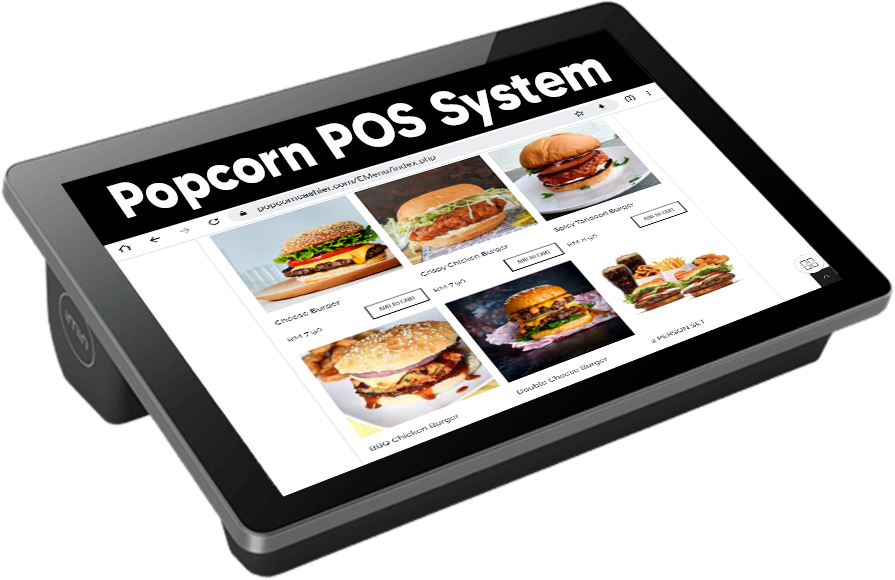
Most modern F&B POS systems come with inventory management features:
- Instant stock deduction upon sale
- Better raw material tracking and reduced food wastage
- Easy menu synchronization across terminals, kiosks, or delivery apps
Manual methods often lead to stock inaccuracies. With a POS system, you avoid overstocking, stockouts, and unnecessary purchases, helping you make data-driven ordering decisions.
4. Saves Customer Data and Supports Loyalty
POS systems enable:
- Customer profile management
- Tracking of frequent buyers and spending trends
- Integration with e-wallets, memberships, and loyalty points
These features are especially valuable for recurring customers and align with e-Invoice requirements, as customer details like email and tax identification number (TIN) can be stored and retrieved automatically.
5. Ensures Tax Compliance and Audit Readiness
Manual invoicing poses serious risks—lost records, tax miscalculations, and inconsistencies. A POS system ensures:
- Digital transaction logs
- Accurate, consistent SST or GST application
- Organized, timestamped data suitable for LHDN audits
With all data properly recorded and digitally stored, your F&B business stays prepared for both internal audits and official inspections.
6. Provides Actionable Business Insights

A POS system allows you to:
- Generate reports by day, week, or month
- Identify top-selling items, peak business hours, and staff productivity
- Export financial data for accounting, reconciliation, or tax filing
Manual reporting is slow, cumbersome, and prone to error. A comprehensive POS system offers real-time analytics that support better business planning and decision-making.
7. Supports Multi-Outlet Management and Cloud Access
Modern F&B POS systems offer multi-outlet functionality and cloud connectivity:
- Centralized control over inventory and pricing across branches
- Consolidated sales tracking
- Remote monitoring through web-based dashboards or mobile apps
This allows business owners to oversee operations from anywhere, saving time and improving scalability. Whether you own one café or a chain of outlets, a cloud-enabled POS system simplifies management.
8. Integrates with Kitchen Display Systems (KDS)
Many POS solutions support Kitchen Display System integration:
- Orders sent directly to the kitchen from the POS
- Reduces miscommunication between the floor and kitchen staff
- Increases order accuracy and reduces preparation time
Compared to handwritten orders, a KDS-POS setup ensures better kitchen efficiency and improves customer turnaround.
9. Simplifies Staff Training and Reduces Errors
POS systems come with user-friendly interfaces and touchscreen navigation:
- Easier staff training with intuitive workflows
- Reduced order mistakes during busy hours
- Quicker onboarding for new employees
Unlike manual registers, which require memorization and leave room for error, POS systems streamline order input and reduce mistakes at the counter.
10. Future-Proof Your F&B Business for 2027 and Beyond
With Malaysia set to complete nationwide e-Invoice implementation by 2027, adopting a POS system now allows you to adapt gradually and reduce disruption later. You can:
- Familiarize your team with digital processes
- Migrate sales and customer data to digital formats
- Ensure long-term compliance without last-minute stress
Preparing early gives your business a competitive edge and aligns you with government incentives or rebates related to digitalization.
Conclusion
With Malaysia’s nationwide e-Invoice implementation timeline progressing toward full adoption by 2027, investing in a reliable F&B POS system is not just a smart move—it’s a business imperative. While manual methods may appear cost-effective at first, they increase risks, slow down operations, and limit growth potential.
F&B business owners should begin upgrading now. Choose a POS system with e-Invoice integration, inventory and menu management, loyalty tracking, kitchen connectivity, and cloud capabilities. This ensures compliance with LHDN and better overall business performance.
Popcorn POS System is specially built for cafés, kiosks, and F&B outlets. It’s cloud-ready, user-friendly, and integrates seamlessly with the MyInvois system. With features like QR ordering, inventory control, kitchen display integration, and multi-outlet support, it’s designed to meet Malaysia’s evolving business needs and the demands of e-Invoicing.