

Managing employee attendance is one of the most important aspects of running a business, regardless of size. Knowing who is working, when they clock in, and how long they work is essential for payroll accuracy, productivity, and compliance.
Many businesses still rely on manual attendance methods — punch cards, handwritten records, WhatsApp messages, or spreadsheets. While simple, these methods can easily lead to errors, manipulation, and unnecessary disputes. This is where a reliable Time and Attendance Machine becomes invaluable.
What Is a Time and Attendance Machine?
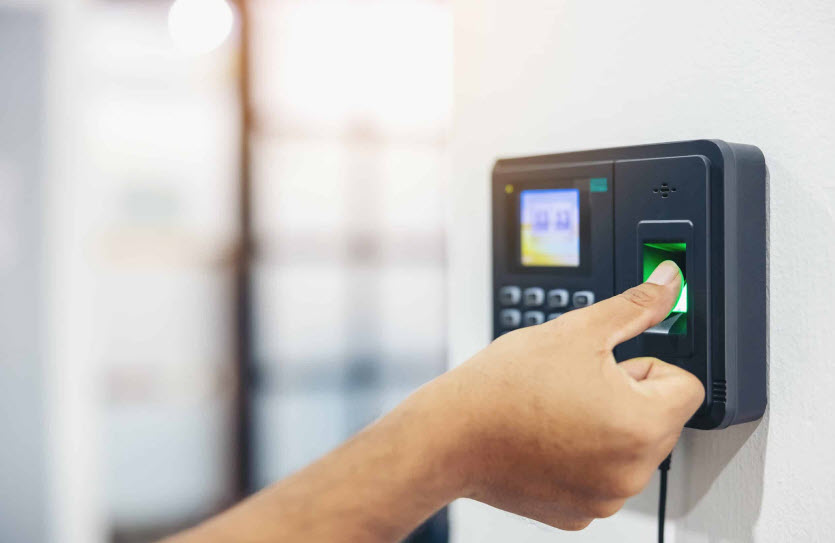
A time and attendance machine is a system that automatically records when employees start work, take breaks, and finish work. Instead of relying on paper timesheets, WhatsApp messages, or Excel files, attendance is captured accurately and consistently every day.
For employers, this means:
- No guessing who came in late
- No disputes about overtime
- No “forgot to sign” issues
For employees, it means:
- Fair and transparent working hours
- Accurate salary calculations
- Clear records they can trust
Depending on the system you choose, employees can clock in using:
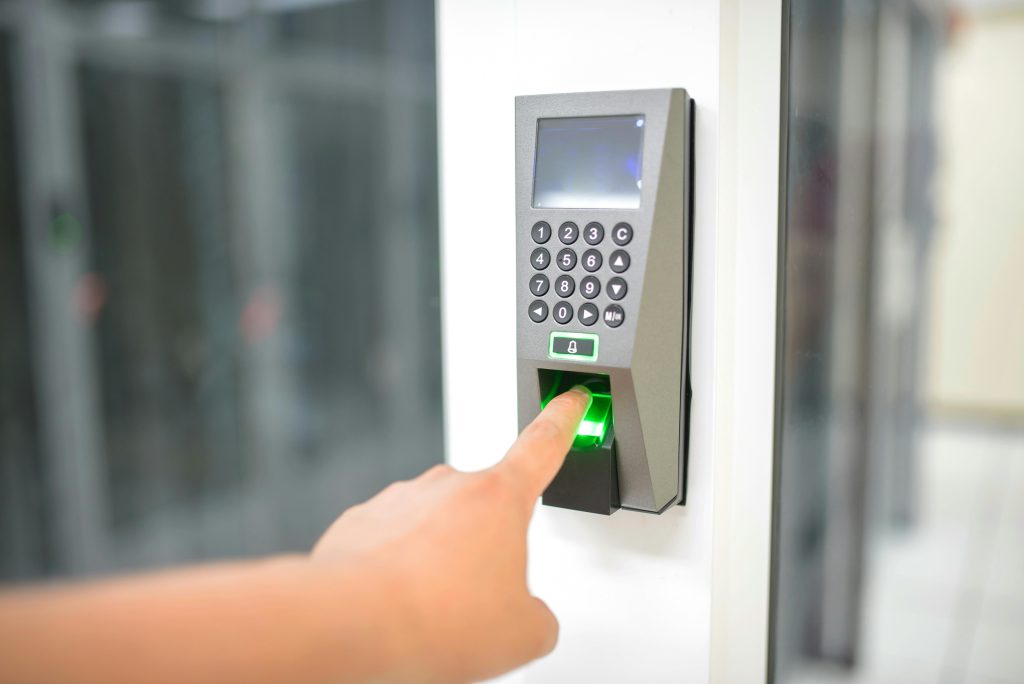
- Fingerprint scanners
- Facial recognition
- RFID cards
- PIN codes
- QR code scanning or mobile apps
Each method serves a different business need, but the goal is the same: accurate attendance data you can rely on.
Why Time and Attendance Machines Matter More Than Ever
Today’s workplaces are faster, more flexible, and often spread across multiple locations. Relying on manual attendance methods like paper timesheets or spreadsheets simply isn’t enough anymore. Small mistakes in clock-in times can lead to payroll errors, disputes, and unnecessary costs.
Time and attendance machines solve this by providing accurate, real-time tracking of working hours, helping businesses stay fair, compliant, and efficient, especially as teams grow and work patterns become more complex.
1. Eliminates Buddy Punching Completely
“Buddy punching” happens when one employee clocks in for another. It’s more common than many employers realise, especially in:
- Shift-based businesses
- Retail and F&B outlets
- Warehouses and factories
Even small abuses add up. Ten minutes here and there across multiple employees can result in thousands of ringgit in wasted payroll costs every year.
Biometric attendance systems solve this problem instantly. Since fingerprints and faces are unique, only the real employee can clock in or out. No shortcuts. No excuses.
2. Creates Accurate Payroll Every Single Month
Payroll problems almost always start with attendance errors. When working hours are wrong, everything else becomes wrong too:
- Overtime is miscalculated
- Allowances are inaccurate
- Salary disputes happen
- Trust between the employer and employee suffers
A time and attendance machine captures:
- Exact clock-in and clock-out times
- Late arrivals and early departures
- Overtime hours
- Shift differences
When this data flows directly into payroll software, salaries are calculated fairly and accurately, with no manual adjustments or guesswork.
3. Saves Massive Administrative Time
Without an automated system, HR or admin staff usually have to:
- Collect attendance sheets
- Chase missing records
- Manually input data
- Double-check calculations
- Recalculate overtime
This process repeats every single month.
With a time and attendance system:
- Attendance is recorded automatically
- Reports are generated instantly
- Data is ready for payroll with one click
That’s hours—sometimes days—of work saved each month.
4. Improves Workplace Discipline and Accountability
When employees know their attendance is recorded accurately:
- Late arrivals decrease
- Absenteeism becomes more visible
- Shift adherence improves
This isn’t about micromanagement. It’s about clarity and fairness. Everyone is measured by the same system, using the same rules.
5. Adds Security Through Access Control
Modern time and attendance machines also function as access control systems. This means:
- Only authorised employees can enter certain areas
- Entry and exit times are logged
- Security risks are reduced
This is especially valuable for:
- Warehouses
- Server rooms
- Stock rooms
- Finance or HR offices
Attendance + access control in one system creates a safer and more controlled work environment.
6. Real-Time Monitoring with Cloud-Based Systems
Cloud-based attendance systems take things even further. They allow business owners and managers to:
- Monitor attendance from anywhere
- View real-time dashboards
- Track multiple branches in one place
- Receive alerts for late clock-ins or absences
This is ideal for:
- Multi-branch businesses
- Field staff
- Remote teams
- Rotating or flexible shifts
Instead of waiting for month-end reports, managers can spot issues early and act immediately.
Types of Time and Attendance Machines (And Who They’re Best For)
Not all businesses operate the same way, and neither should their attendance systems. Different time and attendance tools are designed for different work environments, team sizes, and security needs. Choosing the right type ensures accurate tracking while fitting seamlessly into your daily operations.
1. Fingerprint Attendance Machines
- Affordable and widely used
- Accurate in normal office environments
- Less suitable for wet, oily, or dusty workplaces
Best for: Offices, retail, clinics, SMEs
2. Facial Recognition Attendance Machines
- Fast and contactless
- Hygienic and modern
- High accuracy with proper lighting
Best for: Offices, F&B, healthcare, high-traffic workplaces
3. RFID / Card-Based Systems
- Simple and low-cost
- Easy to implement
- Does not prevent buddy punching
Best for: Very small teams with high trust
4. Hybrid Attendance Systems
- Combines face, fingerprint, and card
- Flexible for different environments
- Backup options if one method fails
Best for: Mixed environments, factories, large teams
5. Cloud-Based Mobile Attendance
- Uses GPS, QR code, or facial recognition
- Perfect for off-site or mobile staff
- Attendance syncs in real time
Best for: Field staff, sales teams, multi-location businesses

How Time and Attendance Fits Into Payroll Automation
Attendance data becomes truly valuable when it flows seamlessly into your payroll system. When time and attendance machines integrate with payroll software like Million Payroll, the entire salary process becomes smooth, accurate, and almost hands-free.
Instead of manually transferring attendance records, the system automatically:
- Sends working hours directly into payroll
- Calculates overtime, late deductions, and allowances accurately
- Applies the correct SOCSO, EPF, EIS, and PCB based on actual wages
- Generates accurate payslips without double-checking or rekeying data
This creates a complete end-to-end payroll workflow, where everything connects, from the moment an employee clocks in, right through to salary payment. The result is fewer mistakes, faster payroll processing, and greater confidence that every employee is paid fairly and on time.
Why SMEs Benefit the Most
For SMEs, time and accuracy matter even more. A small payroll mistake can quickly turn into a big issue, whether it’s an unhappy employee, compliance trouble, or extra administrative work.
A time and attendance machine helps SMEs by:
- Reducing payroll errors caused by manual attendance tracking
- Improving compliance with labour laws and statutory requirements
- Saving administrative time, so owners and HR teams can focus on running the business
- Building trust with employees through transparent and accurate working hour records
It’s not just about tracking time anymore. When attendance and payroll work together, SMEs gain better control, clearer insights, and a more professional payroll process, all of which contribute to a smarter, more efficient business.
Types of Time and Attendance Machines
Not all businesses are the same, and neither are their attendance needs. Choosing the right time and attendance system ensures accurate tracking, reduces payroll errors, and improves overall workforce management.
Here’s a closer look at the main types of machines available:
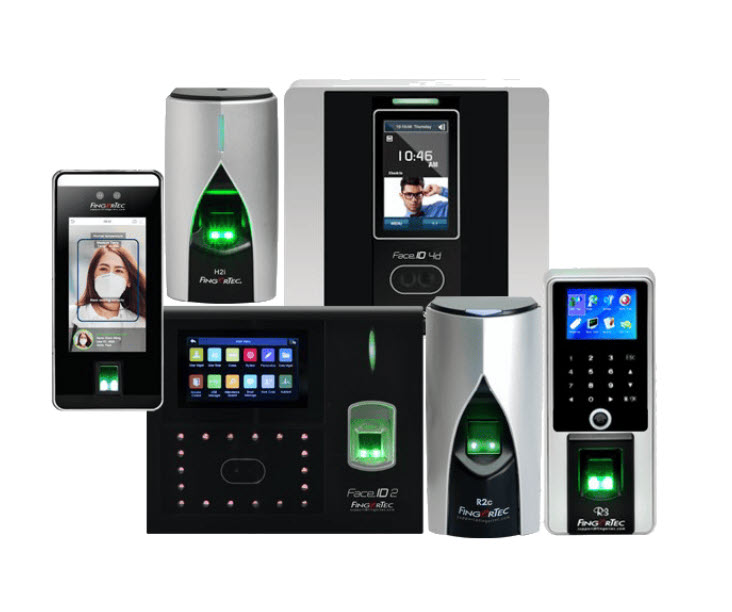
1. Biometric Fingerprint Machines
- How it works: Employees clock in by scanning their fingerprint.
- Pros: Most common and affordable; highly accurate for most office environments.
- Cons: Can struggle in environments where hands are wet, dirty, or oily (like kitchens, factories, or warehouses).
- Best for: Small to medium offices, retail stores, or clinics where staff use standard office tasks.
- Why SMEs love it: Simple to use, low-cost, and eliminates most buddy punching issues.
2. Facial Recognition Machines
- How it works: Employees clock in by scanning their faces.
- Pros: Fast, hygienic, and contactless; ideal for workplaces where hygiene is a priority.
- Cons: Higher upfront cost; may need proper lighting for accurate recognition.
- Best for: Modern offices, F&B outlets, healthcare facilities, and high-traffic environments.
- Why SMEs love it: Speeds up clock-ins and ensures clean, safe, and contactless verification.
3. RFID/Card-Based Systems
- How it works: Employees swipe or tap an RFID card to record attendance.
- Pros: Simple, easy to implement, and very low-cost.
- Cons: Cannot fully prevent buddy punching since cards can be shared.
- Best for: Small teams, startups, or low-security environments.
- Why SMEs love it: Affordable, straightforward, and works well for small businesses without complex needs.
4. Hybrid Systems (Face + Fingerprint + Card)
- How it works: Combines multiple verification methods (biometric + card) in one device.
- Pros: Flexible; works in diverse environments and provides backup options if one method fails.
- Cons: More expensive than single-method systems.
- Best for: Medium to large offices, factories, or businesses with diverse staff needs.
- Why SMEs love it: Offers maximum flexibility, accommodates staff preferences, and ensures accuracy in all scenarios.
5. Cloud-Based Mobile Attendance
- How it works: Employees clock in via GPS, QR code, or facial recognition using a mobile app.
- Pros: Fully remote-friendly, real-time monitoring, and data syncs automatically to the cloud.
- Cons: Requires smartphones and reliable internet connectivity.
- Best for: Field teams, delivery drivers, remote staff, and multi-branch businesses.
- Why SMEs love it: Eliminates the need for physical hardware, allows HR to monitor attendance anywhere, and integrates seamlessly with payroll systems like Million Payroll.
Each type of attendance machine has its strengths and weaknesses. SMEs should consider team size, work environment, security needs, and budget when choosing a system. The right attendance machine not only ensures accurate payroll but also improves accountability, saves time, and streamlines HR operations.
How to Choose the Right Time and Attendance Machine
Selecting the right time and attendance machine means looking for a solution that fits your business needs, workforce, and budget.
Here’s a closer look at the key factors to consider:
1. Number of Employees
The size of your team will determine the type of system you need.
- Small teams (under 20 employees): A simple fingerprint or RFID system may suffice.
- Medium to large teams (20–100+ employees): Facial recognition or hybrid systems are more efficient, as they can process more staff quickly without creating long queues.
- Large enterprises with multiple branches: Cloud-based mobile attendance is ideal for real-time tracking across locations.
2. Office Environment
Different devices perform better in different environments:
- Dusty or humid areas: Fingerprint scanners may struggle; facial recognition or RFID cards work better.
- Oily or wet environments (like kitchens or factories): Hybrid systems with multiple verification options ensure reliability.
- Standard office conditions: Almost any system works, but speed and ease of use become the deciding factors.
3. Cloud vs. Standalone System
- Standalone devices: Data is stored locally; requires manual extraction for payroll or reporting.
- Cloud-based systems: Attendance records sync automatically to the cloud, allowing remote monitoring, easy payroll integration, and access from anywhere.
For SMEs with remote staff or multiple branches, cloud systems save time, reduce errors, and provide real-time insights.
4. Biometric Type (Fingerprint or Face)
- Fingerprint: Affordable, widely used, accurate in standard office environments.
- Facial recognition: Contactless, hygienic, faster for high-traffic workplaces, and eliminates hygiene concerns.
- Hybrid devices: Combine face, fingerprint, and card options, giving flexibility for diverse teams and different environmental conditions.
5. Integration With Payroll
A time and attendance machine is most valuable when it connects directly with your payroll system. This allows:
- Automatic calculation of working hours and overtime
- Correct SOCSO, EPF, EIS, and PCB deductions
- Instant generation of accurate payslips
Seamless integration reduces manual data entry and prevents costly payroll errors.
6. Budget Considerations
- Basic fingerprint or card systems are low-cost and suitable for small teams.
- Facial recognition and hybrid systems have higher upfront costs but save time and reduce errors in the long run.
- Cloud-based mobile systems may require subscription fees but are ideal for remote staff and multi-branch operations.
For most SMEs, a facial recognition or hybrid device provides the best balance of accuracy, speed, and convenience. It ensures smooth clock-ins, prevents attendance fraud, and integrates easily with payroll systems—helping business owners save time, reduce errors, and improve workforce management.
Conclusion
A time and attendance machine is now a must-have for modern businesses. Beyond simply tracking hours, it helps:
- Improve punctuality by keeping employees accountable
- Eliminate attendance fraud, such as buddy punching
- Save HR time by automating data collection and reporting
- Ensure accurate payroll every month, reducing disputes and errors
For SMEs and growing businesses, the difference is huge. Manual attendance methods—sign-in sheets, spreadsheets, or punch cards—are time-consuming, error-prone, and inefficient. Switching to a proper attendance system not only streamlines payroll and HR processes but also builds trust and transparency with employees.