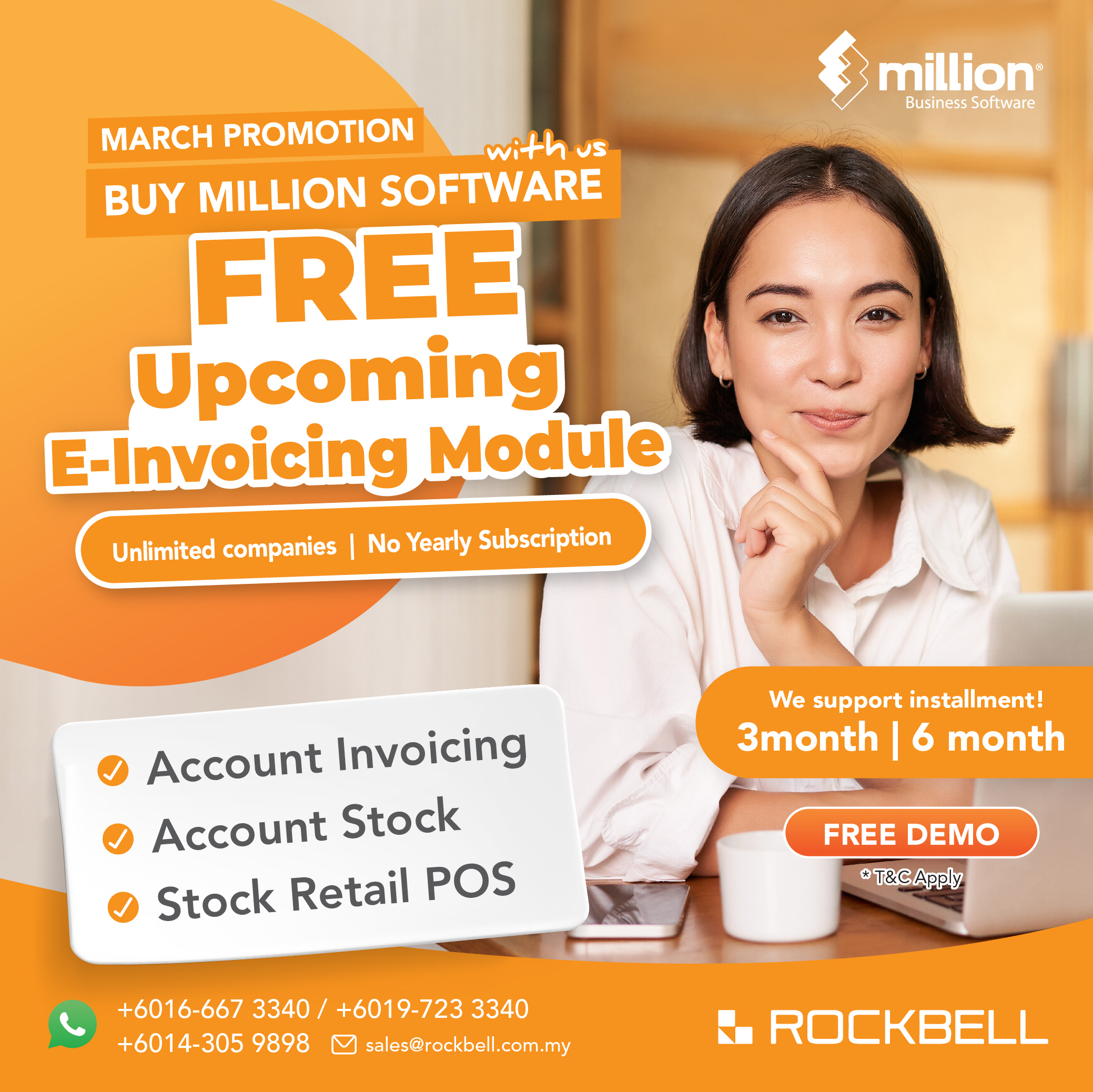


Choosing the right accounting tool can determine how smoothly your business operates. Free apps may seem convenient at first, but they often lack features that Malaysian businesses need.
Local accounting software built for Malaysia helps you stay compliant with SST rules, manage reports accurately, and access reliable customer support when you need it most.
When your business handles payroll, tax filing, or multi-currency transactions, you need precision and local adaptability. Many global or free apps don’t reflect Malaysia’s tax deadlines or reporting standards, which can cause delays and costly mistakes.
Locally-developed accounting software for SMEs in Malaysia gives you tools designed for your market and support from teams who understand its regulations. Strong local support makes complex processes simple and ensures faster issue resolution. You get updates aligned with legal changes and solutions that match your daily business needs.
Key Takeaways
- Locally built accounting software fits Malaysia’s tax and business requirements
- Free apps often lack compliance, accuracy, and responsive support
- The right local solution helps your business stay efficient and compliant
Key Differences Between Accounting Software in Malaysia and Free Accounting Apps
When choosing between paid accounting software in Malaysia and free accounting apps, consider more than just cost.
The main differences involve feature depth, compliance with Malaysian tax laws, and system integration. Each factor affects how efficiently you can manage your business accounts and stay compliant.
Feature Comparison: Paid vs. Free Solutions
Paid accounting software in Malaysia usually includes advanced tools for invoicing, payroll, reporting, and cloud accounting.
You get automation for bank reconciliation, expense tracking, and financial forecasting. These systems often support multiple users and provide dedicated customer support when issues arise.
Free accounting apps such as Wave handle basic tasks like sending invoices or tracking income and expenses. However, they usually lack features like detailed reporting, custom tax settings, or multi-currency management.
Most free apps offer limited storage or restrict the number of transactions per month.
| Feature | Paid Software | Free App |
| Invoicing | Advanced with templates | Basic, manual entry |
| Reporting | Customisable reports | Limited or fixed formats |
| Automation | Available | Minimal |
| Support | Dedicated local team | Community-based |
Local Compliance and Tax Requirements
Malaysia’s taxation system requires SST compliance, accurate tax calculations, and alignment with national formats such as MyInvois e-invoicing.
Licensed Malaysian accounting software includes automatic SST updates, local tax templates, and built-in compliance features. These functions reduce manual data entry and cut down errors during submission.
Free accounting apps often do not support Malaysian regulations out of the box. Many use generic templates that require manual changes before they meet local reporting standards. You may need to adjust tax codes yourself or export data to other tools for SST filing.
Integration with Malaysian Banking and Business Systems
Integration determines how easily your system connects to other business tools.
Paid accounting software in Malaysia typically includes bank feeds, linking directly with major Malaysian banks for automatic transaction imports. This reduces reconciliation time and improves cash flow tracking.
Free apps may connect to international banks but often lack links to local financial institutions. You might need to upload transactions manually or rely on slower workarounds.
Paid platforms also connect with other Malaysian business systems—such as POS, payroll, and inventory modules—through cloud-based accounting software integration.
Why Local Support Matters for Malaysian Businesses
Local support helps Malaysian businesses stay compliant, manage daily operations efficiently, and adapt quickly to policy or system updates.
Your accounting software needs to reflect real business needs within Malaysia’s regulatory, linguistic, and banking environment.
Regulatory and Tax Compliance Support
Local support helps you stay aligned with Malaysia’s tax laws, such as the Sales and Service Tax (SST), and integration with MyInvois, the government’s electronic invoicing system.
With localised software, you get updates that automatically adjust tax codes, thresholds, and reporting formats in line with current SST compliance requirements.
A team familiar with Malaysian Financial Reporting Standards (MFRS) and Malaysia Private Entities Reporting Standard (MPERS) ensures your financial statements meet local accounting standards.
This lowers the risk of non-compliance and penalties.
Local advisors also understand payroll management regulations, such as EPF, SOCSO, and EIS contributions, and set up software accordingly.
They verify calculations follow statutory requirements, providing reliable payroll reports that match Malaysia’s labour laws.
Training, Onboarding, and Troubleshooting in Local Context
When your team uses software designed for another region, training can feel slow and confusing.
With local support, training materials, guides, and demonstrations come in Bahasa Malaysia or clear, region-specific English.
This makes onboarding faster and reduces mistakes.
Local training sessions often use scenarios that match Malaysian business practices, such as recording SST-related transactions or managing supplier invoices with local tax rules.
Quick access to customer service agents familiar with Malaysian practices helps you resolve issues fast.
Whether you face an error with an SST-compliant invoice or confusion over a MFRS-led report, support teams can guide you step by step.
A responsive local support team reduces downtime and improves accuracy when using the software. It also encourages more staff to use the system because help feels accessible and relevant.
Continuous Updates for Malaysian Legislation
Malaysia’s financial laws and digital initiatives change often. Local support ensures your accounting software stays current. Examples include adapting to SST rate changes, new MyInvois formats, or updates to MFRS reporting standards.
When local teams manage updates, they match Malaysia’s business schedule. You don’t need to wait for global rollouts or use manual workarounds. Automatic updates keep your financial reports, tax submissions, and payroll processing compliant without extra effort.
Local providers also test updates with Malaysia’s banks and government portals to ensure compatibility. This keeps online payments, invoice uploads, and report exports working smoothly.
Essential Features of Accounting Software for Malaysia
Accurate accounting software should meet local financial regulations and simplify daily business tasks.
It needs tools that manage expenses, handle different currencies, and generate clear, compliant financial reports while reducing manual effort and errors.
Expense and Bank Reconciliation
Reliable expense tracking helps you control costs and keep precise financial records.
Choose software that lets you categorise spending, upload receipts, and sync transactions from your bank account. This reduces data entry time and helps spot irregularities early.
Bank reconciliation matches your recorded transactions with your actual bank statements. Automated reconciliation finds mismatches, missing entries, or duplicate charges.
In Malaysia, where businesses often have multiple accounts, automated features save significant time. Good systems support scheduled reconciliations and alert you to inconsistencies. They also export detailed reconciliation reports for audit trails, ensuring transparency for compliance with Malaysian accounting standards and tax requirements.
| Feature | Benefit |
| Automated bank feeds | Reduces manual entry |
| Expense categorisation | Improves tracking accuracy |
| Reconciliation alerts | Detects and resolves errors quickly |
Multi-Currency and Local Transaction Handling
Malaysian businesses often deal with foreign suppliers or clients, so multi-currency support is essential.
Your software should convert exchange rates automatically and update values in real time. This helps you avoid losses from inaccurate conversions and ensures your books show true financial positions.
Local transaction handling is also important. The software should support SST compliance, local tax calculation, and bilingual invoices (English and Malay).
It should also work with regional banking systems to simplify payments and deposits. Accurate currency mapping keeps accounts payable and receivable consistent. Viewing multi-currency reports in both base and foreign denominations supports better decisions and easier cross-border reconciliations.
Financial Reporting and Automation
Timely financial reporting helps you make informed business decisions.
Good software lets you create profit and loss statements, balance sheets, and cash flow reports using real-time data. Automation reduces errors and keeps reports up to date.
Choose software with report customisation that fits your business structure. You should filter by department, branch, or date range for detailed analysis and planning.
Automated accounting features, such as recurring journal entries, tax calculations, and scheduled reports, save time and improve accuracy. By automating repetitive tasks, you can focus on business strategy instead of manual bookkeeping.
Reliable automation ensures compliance with Malaysia’s reporting requirements and improves overall financial control.
Top Accounting Software Options in Malaysia
Malaysia’s accounting software market offers a choice between local solutions tailored to local tax and language needs and international platforms that focus on automation and integrations.
Finding the right tool depends on how you manage compliance, team access, and business growth.
Overview of Leading Brands
Several platforms dominate Malaysia’s small and mid-sized business market.
AutoCount and SQL Account are popular local products designed for SST compliance, multilingual use, and integration with SQL Payroll or POS systems.
These tools simplify cash flow tracking, invoicing, and multi-branch operations while meeting LHDN and Customs Malaysia requirements.
Cloud-based choices like Million, QNE Accounting Software, and Bukku appeal to startups and SMEs wanting online dashboards and real-time collaboration.
Global tools such as Xero, QuickBooks Online, Zoho Books, FreshBooks, and Wave attract firms working across borders.
These platforms include multi-currency billing, app integrations, and remote access from any device.
Some international options may require local configuration for SST reporting, but accountants can adjust settings to meet Malaysian standards.
Strengths of Local and International Solutions
Local software developers know the country’s tax framework and regulatory updates. Paid tools automate SST reports, generate SST-02 forms, and use Bahasa Malaysia interfaces for easier adoption by local staff.
You also get local technical support and training. This reduces downtime and shortens setup time.
International products excel in scalability and global reach. Xero and QuickBooks Online offer many third-party integrations for payroll, banking, and e-commerce.
They suit businesses with overseas clients or multi-currency transactions. If you need bilingual access, offline stability, or tax compliance out of the box, home-grown software is often a better fit.
If you rely on automation and remote teams, international systems may give you the flexibility you need.
Considerations When Choosing Between Malaysian Software and Free Apps
Your choice between local accounting software and free apps depends on how well the system can grow with your business. It should connect with your existing tools and protect your financial data.
Reliable integration, scalability, and compliance with local privacy rules are critical factors. These affect daily operations and long-term success.
Scalability and Future Growth
When comparing free apps with Malaysian accounting software, scalability is a key concern. Local vendors design tools that support multi-branch setups, SST compliance, and e‑invoicing as your operations expand.
Free platforms may work for freelancers but become restrictive when your business needs more complex reporting or multi-user access. A scalable system lets you add modules, such as payroll or inventory, without replacing your core platform.
Cloud-based accounting software usually performs best here, since you can upgrade your plan or storage as your needs change. Free apps may lack this flexibility, forcing manual workarounds that slow down growth.
Before committing, check whether the provider offers migration options, version upgrades, and long-term support. A locally supported system helps ensure that software updates stay aligned with Malaysia’s tax changes and reporting standards.
Integration with Existing Workflows
Modern accounting tools work best when they integrate smoothly with other systems. Platforms like Million offer built‑in compatibility with payroll, CRM, and point‑of‑sale software common among local SMEs.
This integration reduces manual data entry and ensures accurate reporting across departments. Free apps often provide limited integration capabilities, or they support only popular global tools.
That can cause gaps in your workflow if you rely on regional systems or specific bank formats. Local solutions usually include direct connections to Malaysian banks, SST reports, and e‑invoicing modules that meet government guidelines.
List your core business applications and check whether the software supports them. A well-integrated system improves efficiency and minimises human error.
It also allows seamless data flow between departments.
Data Security and Privacy in a Malaysian Context
Free accounting apps often use global cloud infrastructure that stores data outside Malaysia. While this can be secure, it may not comply with local data protection rules like the Personal Data Protection Act (PDPA).
Malaysian accounting software providers usually host data in local or regional centres. This makes it easier to follow compliance standards and respond quickly to support issues.
Look for systems offering role-based access, data encryption, and regular backups. These features protect sensitive financial information and ensure continuity if hardware or network issues occur.
Cloud-based accounting software can still be safe if the provider is transparent about data handling and complies with recognised cybersecurity standards like ISO 27001. Choosing a vendor familiar with the Malaysian regulatory environment helps you manage your financial data responsibly.
Challenges with Free Accounting Apps in the Malaysian Market
Free accounting apps can seem appealing for saving costs, but they often fall short in local compliance, automation, and business growth. Many free platforms lack advanced features, and limited support makes troubleshooting harder.
Adapting them to Malaysian tax or reporting rules can be difficult.
Limitations in Customisation and Support
Most free accounting apps provide fixed templates and little flexibility to tailor features to your company’s operations. You often can’t modify chart of accounts layouts, automate recurring entries, or adjust invoice formats to fit your customers’ needs.
This limits how efficiently you manage daily records. Support is also minimal.
Free versions usually rely on self-help articles, community forums, or chatbots instead of direct assistance. When your software miscalculates or fails to sync transactions, getting help quickly becomes difficult.
Businesses in fast-paced markets like Malaysia may find this delay in resolution disruptive, especially when closing monthly accounts or reconciling transactions. Some free tools also restrict user access controls.
For example, you might not be able to assign specific permissions or track edits across team members. This can expose your organisation to data-entry mistakes or unauthorised changes.
Risks of Incomplete Local Compliance
Malaysian accounting requirements, such as SST (Sales and Service Tax) and e-invoicing standards from the Inland Revenue Board (LHDN), often change. Free apps rarely keep up with these updates.
Most are designed for general use, not local tax systems. This can lead to errors in tax calculations, report submissions, or timing of digital invoice issuance.
Free cloud accounting tools may also lack fields for MYR currency rounding rules, local tax exemptions, or multi-level SST setups. You might have to manually adjust figures before filing reports, increasing the chance of errors.
Paid local software typically updates automatically when regulations change. Free apps rely on users to make manual updates.
Potential Gaps in Automation and Reporting
Free accounting apps often cover basic bookkeeping but lack automation and advanced analysis. Daily tasks like bank reconciliation, expense categorisation, and recurring billing may require manual input.
Without automation, you spend more time verifying transactions and reconciling figures. This can slow down reporting deadlines.
Most free tools produce limited reports, such as income summaries or expense charts. They seldom offer customisable dashboards or consolidation features across multiple departments.
If you handle both local and international sales, the inability to generate multi-currency reports can distort your performance insights. Cloud-based automation and AI-powered reporting—features common in paid plans—help cut down manual steps and produce more timely insights.
Maximising Business Efficiency with the Right Local Solution
Choosing accounting software that aligns with Malaysia’s financial standards helps you manage daily tasks more accurately and with less manual input. Local solutions address unique operational requirements such as SST compliance, local-language support, and integration with Malaysian banks.
This improves work efficiency and reduces administrative strain.
Automated Invoicing and Expense Tracking
A reliable invoicing software built for SMEs in Malaysia can automate recurring invoices, apply correct tax codes, and generate receipts in ringgit without extra adjustments. By linking directly with local banks, you can track client payments in real time.
This reduces time spent reconciling accounts. Proper expense tracking ensures every cost is recorded under the right category.
This gives you a clearer picture of cash flow and profit margins. Some systems allow you to upload digital receipts or use mobile scanning, minimising data entry errors.
| Feature | Benefit |
| Automated invoicing | Cuts time spent on manual billing |
| Local currency support | Removes foreign exchange issues |
| Expense categorisation | Improves visibility on spending |
Improved Payroll and Tax Processes
Efficient payroll management ensures employees are paid accurately and on time while staying compliant with EPF, SOCSO, and EIS requirements. Localised software often comes pre-set with Malaysia’s statutory deductions and up-to-date contribution rates.
This reduces the risk of calculation mistakes. For tax calculations, local systems offer pre-configured SST modules and automated updates when relevant rates change.
This means fewer manual corrections and more confidence in your submissions. Automated reporting tools can also generate formatted payslips and statutory forms ready for submission.
This saves hours of repetitive work. By keeping payroll and taxes synchronised in one platform, you maintain consistent records that meet both business and regulatory needs.
Frequently Asked Questions
Choosing the right accounting software in Malaysia involves more than comparing prices or features. You need a system that supports local tax laws, integrates with Malaysian banks, and offers real help when something goes wrong.
Reliable local support and compliance-ready design can make a real difference in everyday business operations.
What advantages do Malaysian accounting software offer over free international applications?
Malaysian accounting software usually includes built-in support for SST, LHDN e-Invoicing, and MFRS compliance. These features reduce the need for manual adjustments or external plug-ins.
You also benefit from updates aligned with local regulations and financial year reporting standards. Free international apps often lack these updates, forcing you to add compliance steps manually.
How does local support impact the effectiveness of accounting software for Malaysian businesses?
With local support, you can get direct help from trained teams familiar with Malaysia’s tax requirements and government systems. Support teams can also assist with implementation, error resolution, and regulatory setup.
If your system faces issues during a tax filing period, local experts can respond quickly in your time zone. This reduces downtime and ensures smoother communication.
Are there cost benefits to using locally-supported accounting software instead of free apps?
Although free apps seem attractive at first, they may require paid add-ons or manual labour to stay compliant with Malaysian standards. These hidden costs can add up over time.
Local software often includes automatic updates for tax and compliance features. As a result, you save time and lower the risk of expensive mistakes or penalties.
What specific features should Malaysian companies look for in accounting software?
Look for SST calculation, LHDN e-Invoicing integration, and bank reconciliation support with major Malaysian banks. A cloud-based system allows you to access financial data anywhere.
This helps when managing multiple branches or remote teams. Other useful tools include automatic report generation and payroll management that complies with EPF and SOCSO requirements.
These features simplify key financial tasks and keep your records accurate.
How can integration with Malaysian financial systems enhance the usability of accounting software?
Integration with local banking and payment gateways allows direct import of transactions, improving accuracy and speed. It helps you manage cash flow more effectively since daily balances and payments appear automatically.
When connected to systems like LHDN or MyInvois, the software can send e-Invoices directly to tax authorities. This reduces manual uploads and helps maintain compliance at all times.
Why might free accounting apps be insufficient for handling Malaysia’s unique business regulations?
Free accounting apps often do not include local tax modules or up-to-date compliance templates. You might need to manually adjust tax codes or reporting formats to meet Malaysian requirements.
These apps also tend to lack local-language support. Many do not offer updated payroll or SST features. Without these elements, you may find it harder and riskier to manage finances in line with Malaysian law.