



In a move that offers businesses more breathing room, the Inland Revenue Board of Malaysia (LHDN) has officially postponed the implementation schedule for electronic invoicing, providing companies across the country with a longer grace period to prepare.
Originally set to roll out in stages starting August 2024, the new timeline pushes the mandatory adoption of the e-invoicing model further, especially for smaller businesses. But what does this mean for you, and how should your business respond?
What’s New in the Revised E-Invoicing Timeline?
On 5 June 2025, LHDN released an updated timeline for the phased implementation of e-invoicing in Malaysia.
Here’s what the new rollout schedule looks like:
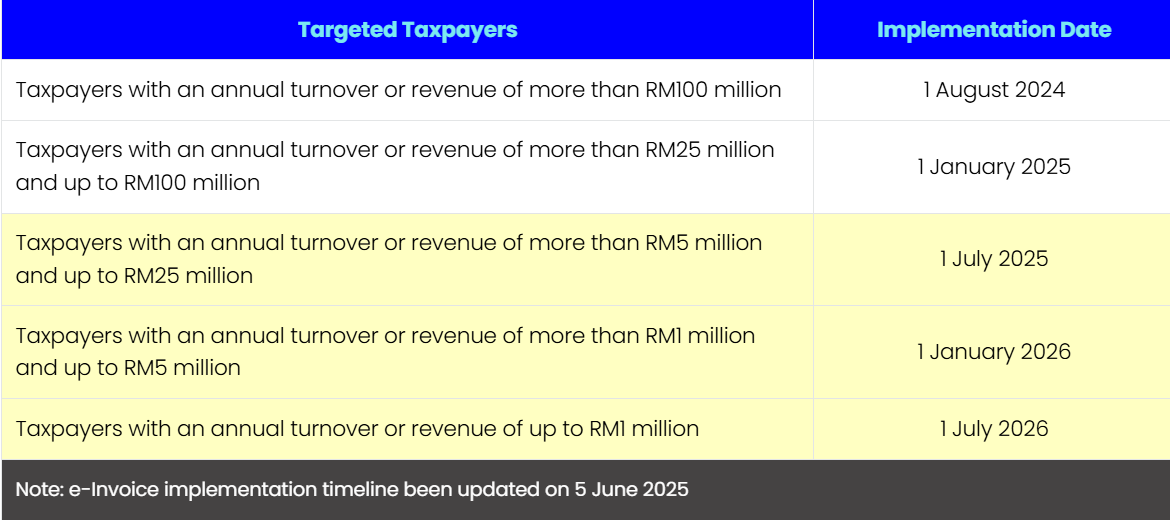
So, while larger companies (above RM25 million) still need to meet their original compliance deadlines, smaller businesses now have more time—as much as a full year—before e-invoicing becomes mandatory for them.
Did Malaysia Delay E-Invoicing?
This delay reflects a practical decision from LHDN and the Ministry of Finance, recognizing that smaller businesses need more time to adapt to new digital invoicing systems.
The government understands that many MSMEs may:
- Still rely on manual invoicing or basic systems
- Be unaware of LHDN’s technical requirements
- Require training and software upgrades
To support smoother transitions, LHDN also introduced a six-month grace period after each enforcement date. This means that even after your business’s phase kicks in, you’ll still have time to finalize your implementation before any enforcement measures begin.
A Quick Recap: What Is E-Invoicing?
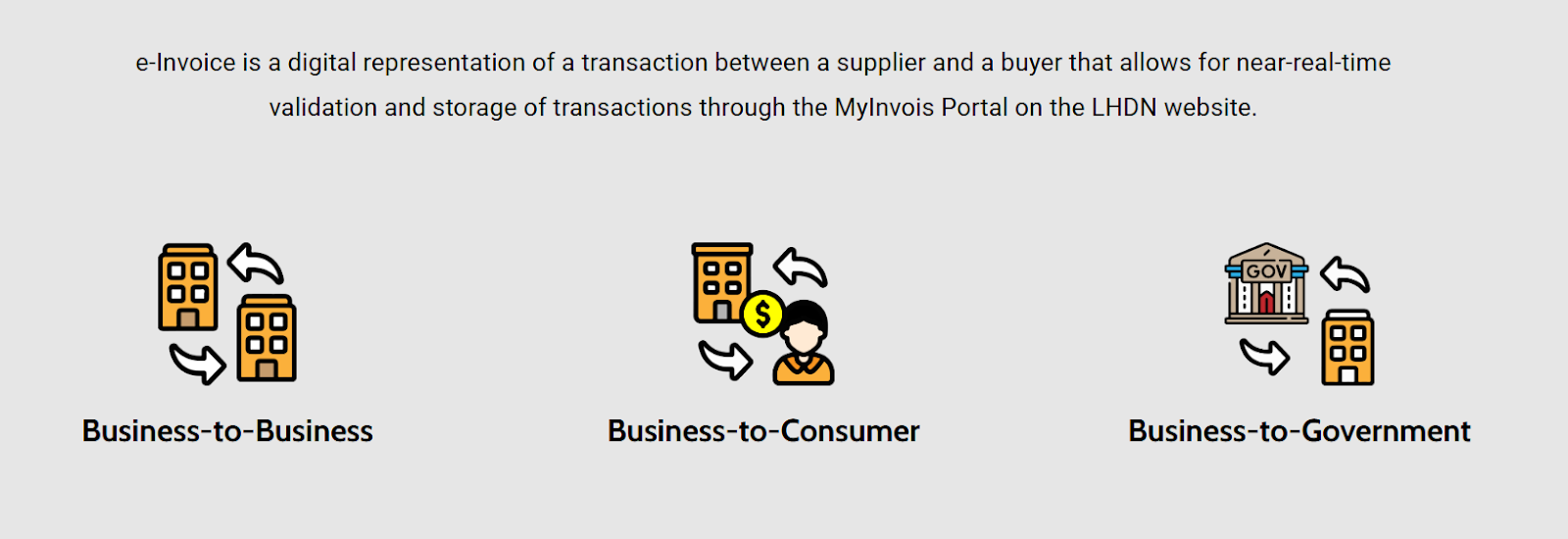
E-invoicing is a digital process where invoices are created, issued, and shared electronically between suppliers and buyers, with real-time reporting to LHDN.
Unlike PDF or scanned invoices, true e-invoices are structured data submitted directly to the government via approved platforms or APIs.
Benefits of e-invoicing for businesses include:
- Reduced manual entry and paperwork
- Faster processing and payment cycles
- Lower risk of fraud or duplication
- Real-time compliance with LHDN regulations
- Increased operational transparency
Eventually, all Malaysian businesses will be required to use the e-invoicing system.
E-Invoicing as a Stepping Stone to Digital Transformation
Beyond compliance, e-invoicing is a gateway to broader digital transformation. By upgrading your invoicing process, you’re also laying the groundwork for a more connected and automated business. It opens the door to integrating other systems, such as inventory management, payroll, and POS, into a single digital workflow.
For Malaysian SMEs looking to stay competitive in a fast-changing economy, embracing e-invoicing is more than ticking a box for LHDN. It’s about building a smarter, more agile business that’s ready for long-term growth.
What This Means for Your Business
If your business has an annual turnover below RM25 million, the delay may feel like a relief. But it shouldn’t be an excuse to push planning aside.
In fact, this window is the perfect opportunity to prepare without the pressure of looming enforcement.
Here’s what your business should be doing now:
1. Review Your Current Invoicing Process
Are you using Excel, manual invoices, or disconnected accounting software? If so, now’s the time to evaluate whether your current invoicing solution can support real-time electronic invoicing processes.
2. Choose an E-Invoicing Compliant Software
Malaysia’s e-invoicing requires technical compliance with LHDN’s MyInvois system, including QR code generation, invoice validation, and data submission.
Look for systems that are:
- MDEC-approved or grant-eligible
- Already integrated with LHDN’s e-Invoicing API
- Trusted by local SMEs
3. Train Your Staff in Advance
Successful implementation of electronic invoicing isn’t just about the invoicing software—it’s also about your people. Ensure your accounting or finance team knows the invoicing processes.
- How to issue and receive e-invoices
- What data is required by LHDN
- How to validate invoices digitally
4. Avoid Last-Minute Rush and Penalties
The worst time to start preparing for electronic invoicing processes is right before your mandatory date. Avoid last-minute setups, errors, or system failures by starting now while there’s less stress and more room to test your invoicing solution.
How Rockbell Supports Businesses With E-Invoicing
At Rockbell, we’ve been helping SMEs across Malaysia adapt to regulatory changes for decades. Our solutions are designed for local compliance, ease of use, and business growth.
Whether you’re a retailer, distributor, or service-based company, our software helps simplify invoicing while meeting all of LHDN’s requirements.
Our E-Invoicing Solutions:
- Million Business Software – Flexible accounting and billing software integrated with e-Invoicing features
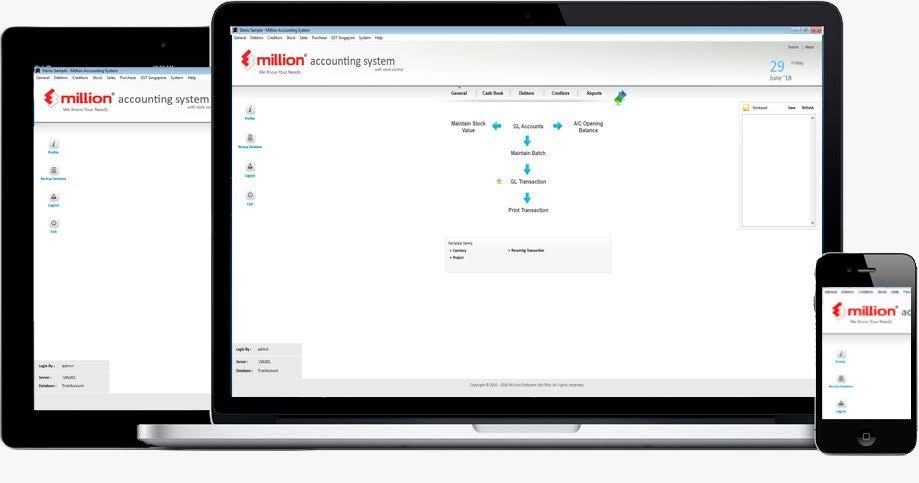
- AutoCount Software – Powerful all-in-one ERP and accounting solution, fully compliant with MyInvois
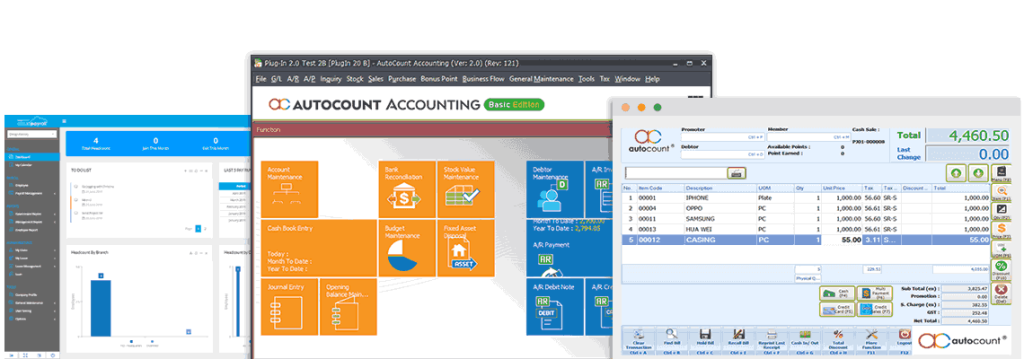
What We Can Help You Do:
- Select the right e-invoicing compliant system
- Set up and configure your e-Invoicing environment
- Ensure SST compliance and accurate invoice mapping
- Train your team for day-to-day invoicing tasks
- Keep your systems updated as LHDN guidelines evolve
You don’t need to figure out the electronic invoicing processes on your own — our team is here to guide you every step of the way.
Why Early Adoption Makes Business Sense
Even if you’re not required to adopt e-invoicing until 2026, there’s a clear advantage to starting early. Businesses that take initiative today can:
- Save time with automated billing
- Reduce admin costs and invoice errors
- Get clearer financial data for business decisions
- Stay audit-ready and fully compliant
- Reduce fraud risk through verified invoice validation
Getting ahead of compliance not only saves you from penalties—it actually boosts your business operations.
Don’t Let the Delay Lead to Inaction
The e-invoicing delay in Malaysia is good news—it gives your business more time to prepare. But it also presents a choice: wait until the last minute or take action now.
Those who act early will avoid rushed setups, be more confident in their compliance, and enjoy the productivity gains that come with smarter invoicing systems.
At Rockbell, we’re here to make the transition simple, fast, and beneficial. Whether you need guidance, training, or software, we’re ready to help you get future-ready today.